Brand-published editorial by Bracelet Works by Paradise. We distinguish source facts from original collection-planning suggestions.
Use the outfit as a brief
A bracelet assortment is easier to discuss when the buyer can picture where it belongs. The five proposals below are original editorial ideas for collection planning, not measured product demonstrations. They are intended to help a boutique explain a direction to a supplier and compare physical samples.
Public guides such as Swarovski’s stacking guide and Estella Bartlett’s graduation article show how styling content can address a specific look or occasion. Our suggestions go a step further into buying requirements: what structures to compare, which colors to request and what belongs in one selling unit.
Source context: Swarovski: How to Stack Bracelets ↗ · Estella Bartlett: Graduation styling guide ↗
1. A white shirt, denim and a quiet line
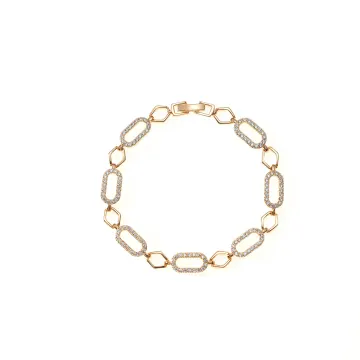
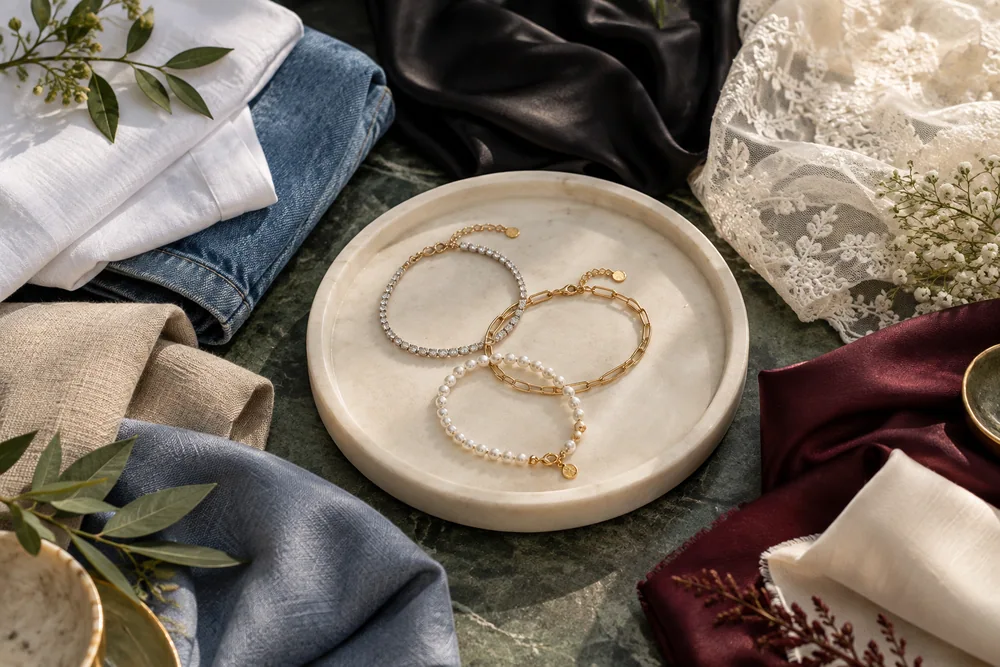
Start with a white shirt, blue denim and a slim bracelet as the visual anchor. Add an open-link companion if the buyer wants a stack. Keep the main palette restrained so shoppers can imagine the pieces with several outfits. This is a direction to explore in the tennis, crystal-line and chain reference families.
Buyer brief: choose the intended metal-tone appearance, wrist-size range and closure preference. Request photographs of the complete sample and its fastening. Propose a single-piece option alongside a two-piece styling combination. Label the combination as two separate bracelets unless it is actually packed and sold as one approved set.
2. A black evening look with one focal point
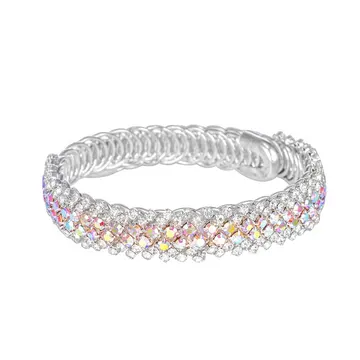
For a black dress or a simple evening ensemble, propose one broader crystal surface or sculptural cuff. Let shape or width carry the idea; adding several unrelated statement pieces can make the assortment harder to explain. A quieter companion reference can offer another direction for shoppers who prefer less visual weight.
Buyer brief: compare actual width, weight, inner dimensions, opening or fastening and stone arrangement. Review the samples under the intended lighting and alongside the fabric. Confirm whether the piece catches on a sleeve. Do not describe a reference photograph as proof of comfort or secure wear.
3. A bridal palette with coordinated differences
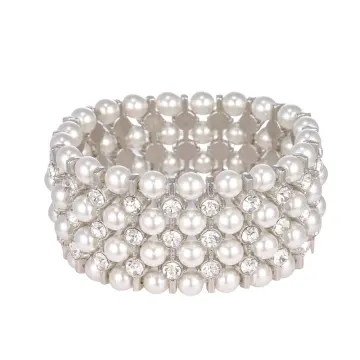
Try a shared finish direction and soft pearl-look detail across two different silhouettes: one for a principal recipient and a simpler companion for a group gift. The coherence can come from the palette and presentation rather than identical pieces. This leaves room for different sleeves and individual styling preferences.
Buyer brief: provide dress or fabric references, wearer counts, fit requirements and the contents of each gift unit. Pearl-look is an appearance description; specify the actual intended material separately. Approve the bracelet, card and protective packing together, with the required delivery destination and occasion date in the quotation request.
4. A linen outfit with one color accent
For a linen shirt or resort outfit, use a neutral base and one color accent. A clear-stone line plus a blue or green direction can form an initial moodboard. Offer the accent as a solo piece and as part of a proposed stack, so the buyer can compare two ways to present the same palette.
Buyer brief: separate stone color, metal tone and bracelet structure in the request. A screen color is a starting reference; discuss a physical swatch or an approved sample. Resort styling does not establish that a bracelet is suitable for swimming, showers or salt water. Care and performance claims need evidence for the exact finished product.
5. A color-led celebration with a clear unit
A club gathering, local celebration or graduation gift can begin with two colors and simple presentation. Try two slim references with different accent colors, or ask whether one reference can explore a repeated two-color pattern. Keep the design description about the palette until any branded artwork has been authorized.
Buyer brief: say whether the retail unit contains one bracelet, two bracelets or a buyer-selected combination. For example, 60 proposed two-piece sets require 120 bracelet pieces before any separately agreed spares. This is a counting example, not a minimum order. Label color versions and packaging quantities so the quote can address the whole program.
Turn a styling idea into a sample shortlist
For each proposal, select a small number of existing references and write what should stay and what should change. Link the outfit moodboard to a requested construction, actual measurement questions and packing instructions. Avoid filling missing specifications from the appearance of a photograph.
Use one comparison sheet for the sample review: reference, palette, fit, fastening, surface contact, packing and unresolved questions. The styling story should help the buyer choose a direction; the approved sample should settle the specification.
Sources & scope
Source material reviewed for this article. External links are references; no affiliation or endorsement is implied. Sources were checked on 11 October 2026. Trend signals are editorial observations, not evidence of bracelet sales or market size. Event dates, access and membership terms should be confirmed with the organizer.