Something you can
hold. And decide on.
Use a physical sample to connect your visual direction with the details that matter: structure, fit, color, finish and presentation.
Prepare a sample request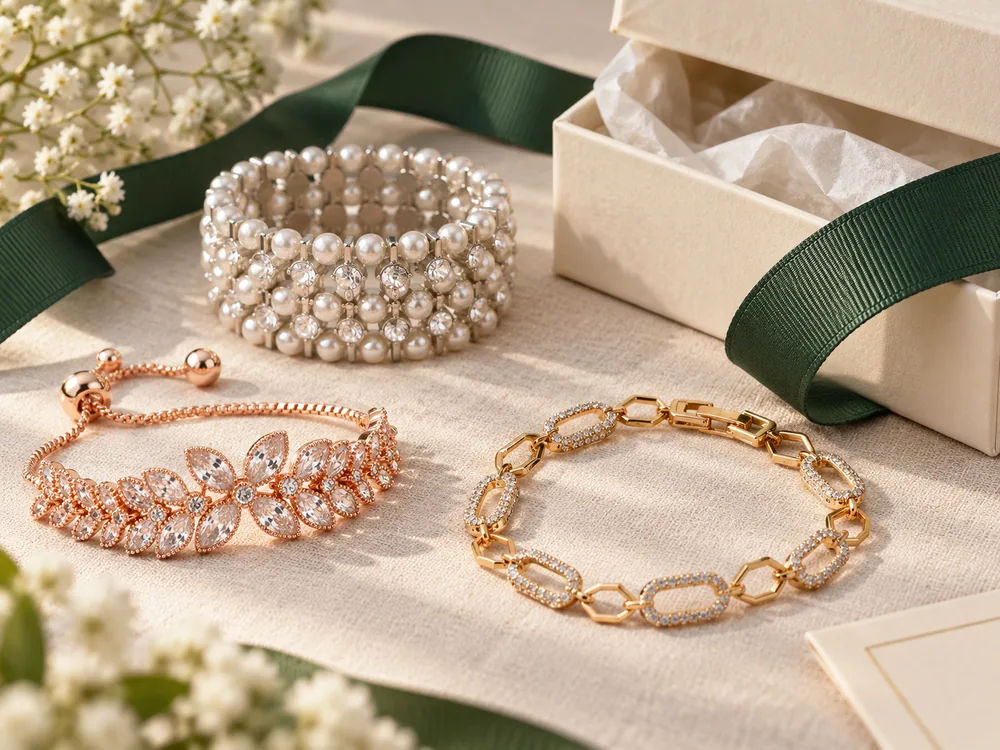
Select a direction
Save references from the library, or bring your own sketch and specify the essential details.
Agree the brief
Discuss specifications, intended use, quantities and the sample arrangement for the project.
Review the piece
Compare the physical construction, fit, appearance and packaging with the agreed brief.
Approve the version
Keep clear records of the approved sample and any changes before finalizing production details.
A few useful answers.
Are all references immediately available as samples?
Sample availability and development needs are confirmed for the selected reference. Historical or adapted designs may need a different arrangement.
What does a sample cost and how long does it take?
Costs and timing depend on the selected style, changes and packaging. They are confirmed for the individual request rather than assumed from the catalog.
What should I record when reviewing a sample?
Record the reference version, materials, color, fit, relevant checks, packaging and specific feedback. Clear version tracking makes later decisions easier.
Let’s shape your next collection.
Bring a reference, a palette or a shortlist. Start with the details that matter to your buyers.
Share your brief